Food safetyTemperature monitoring
Food freezer temperature logs: distinguish defrost events from unexplained gaps
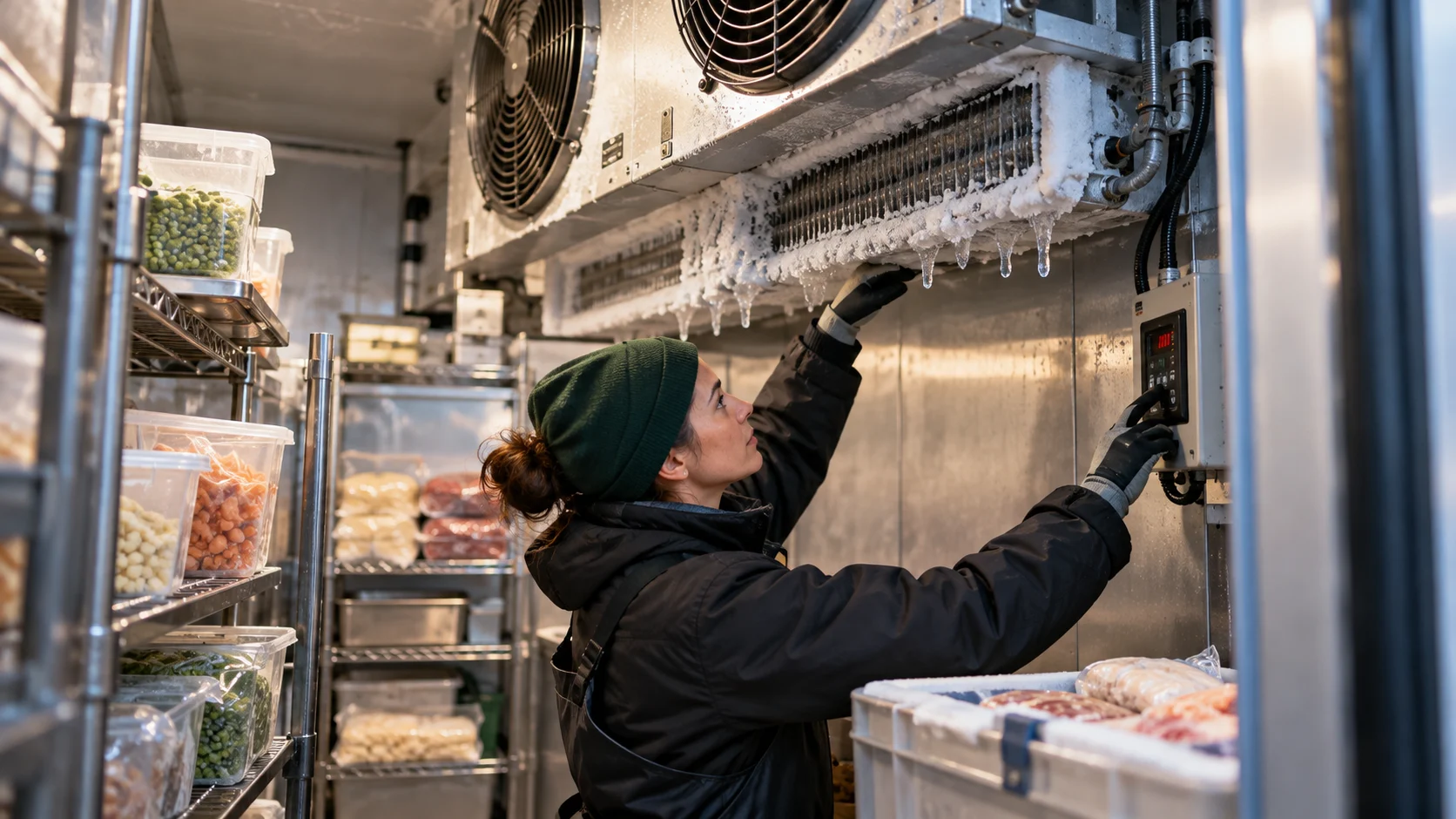
A freezer log needs enough context to distinguish a recorded operating event from missing data or an unexplained result. Note the measurement method, equipment identity and relevant maintenance or defrost reference without assuming the event makes food acceptable.
At a glance
A freezer log needs enough context to distinguish a recorded operating event from missing data or an unexplained result. Note the measurement method, equipment identity and relevant maintenance or defrost reference without assuming the event makes food acceptable.
Define the decision behind the record
A system can produce a smooth chart while leaving uncertainty about the instrument and its location. Store the measurement source alongside readings and link known equipment events. Avoid replacing an unexpected measurement with a comment that simply says defrost.
Compare the recorded event with the equipment history
Start with the exact freezer identifier, the relevant equipment instruction and the source of information about a defrost cycle. A scheduled event and an observed event are different facts. Decide where the operator records actual start and end information, which sensor produced the readings and who reviews a mismatch with the expected operating pattern.
Keep the temperature observations and equipment-event evidence on the same timeline while retaining their separate sources. If the equipment log is unavailable, say so. Record an alarm outside the documented event as an unresolved observation, rather than assigning it to defrost because a cycle usually happens at that time. Identify any related stock assessment under the site procedure.
The review should explain which period is supported by equipment evidence and which period remains uncertain. Attach the relevant event extract and preserve the original observations if the interpretation later changes. A useful acceptance test includes one documented cycle, one unexpected excursion and one missing event record; the three cases should not receive identical automatic closure.
Worked example
A supervisor reviews a freezer chart with an unusual period. They compare the recorded event time, device reading and independent checks required by the site. They keep the original data and record the assessment rather than editing away the anomaly.
Build a usable record
Use the fields below to capture the facts needed for this particular decision. Keep the actual observation separate from any later correction or approval.
- Freezer and sensor identifiers
- Reading time, value and unit
- Measurement source and location
- Relevant defrost or maintenance reference
- Assessment, action and reviewer
Example record and review decision
Fictional record example: FREEZER-02 / EVENT-01: defrost start and end; SENSOR-02: observed readings; REVIEW-01: comparison with the approved operating procedure.
Compare timestamps and available equipment information. Distinguish a documented defrost cycle from a period with no observations.
An assumed scheduled cycle does not explain an alarm whose timing or duration differs from the actual equipment record.
Test the review, not just the form
Export the chart and its associated notes together. A reviewer should be able to distinguish measured facts from explanations added later. Test whether switching the assigned sensor leaves historical records attached to the correct freezer.
A few useful answers
Should a defrost event delete unusual readings?
No. Preserve the readings and attach context. Any assessment of products or equipment should follow the site procedure.
Can the usual defrost schedule explain every temporary rise?
A schedule can guide investigation, but it is not evidence that the actual event occurred at the expected time or duration. Compare the available event history and readings. Preserve mismatches and missing evidence for review instead of automatically labelling them as routine defrost.
Sources and further reading
MarkdownExplore starter templates
Start with a useful checklist
English