Food traceabilityLabels and stock
Relabeling food containers: keep the old and new identities connected
A relabeling record should explain what changed, why and who authorised it. Replacing a damaged label or correcting an error must not create an unexplained break between the physical container and its earlier product history.
At a glance
A relabeling record should explain what changed, why and who authorised it. Replacing a damaged label or correcting an error must not create an unexplained break between the physical container and its earlier product history.
Define the decision behind the record
Differentiate a label correction from repacking or a change to the underlying product information. Keep the original reference available. A new printed date is not evidence that a product’s approved life or handling conditions have changed.
Retain the old identity and the reason for the new label
Identify the product, source lot and original label before the change. Define why relabelling is proposed and who reviews the information. Replacing damaged print, changing an internal identifier and revising date information can be different decisions that require different evidence.
Record old and new label references, event time, responsible person and the authorised basis for changed information. Preserve the original identity and any affected quantity or locations. Do not make a label replacement silently appear to be a new receipt or production event.
Test lookup from both label identities and confirm that the reviewer reaches the same supported source history. Include a partial relabelling with stock still carrying the old label. The record should explain both identities and prevent an old label from becoming an untraceable orphan after the replacement is issued.
Worked example
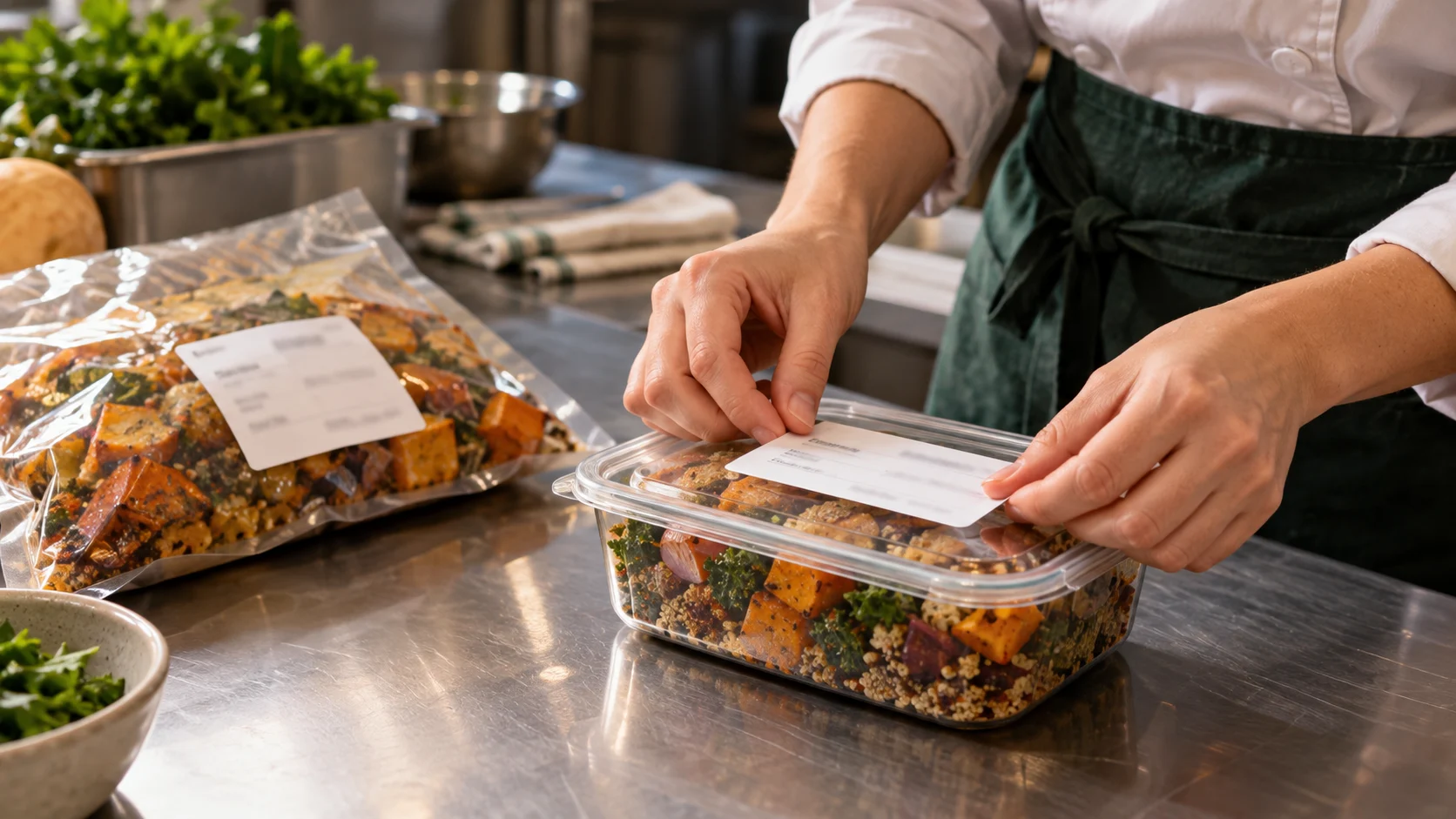
A container’s label becomes unreadable. The team verifies its identity under the approved process and records the replacement, preserving the link to the original batch. If identity cannot be established, the uncertainty is escalated rather than guessed.
Build a usable record
Use the fields below to capture the facts needed for this particular decision. Keep the actual observation separate from any later correction or approval.
- Container and batch identity
- Reason for relabeling
- Original and replacement information
- Authorising person
- Related assessment or evidence
Example record and review decision
Fictional record example: OLD-LABEL-01 → CHANGE-01 → NEW-LABEL-02; same product identity, reason, operator and review retained.
Demonstrate which original identity and date basis remained applicable after the label changed.
Discarding the old identity or silently replacing a date can break the record even when the new label is readable.
Test the review, not just the form
Start from the replacement label and recover the original record. Check how unused and discarded replacement labels are handled, so printing activity is not mistaken for a change in the physical product.
A few useful answers
Does printing a new label reset a date?
No. Dates and product decisions must come from the applicable approved process, not the printing event.
Should the old label identifier disappear after replacement?
Preserve the mapping where it is needed to interpret the history. A new label can become the current reference while the old identity remains retrievable with its replacement reason and effective event.
Sources and further reading
MarkdownExplore starter templates
Start with a useful checklist
English