Food safetyCleaning and hygiene
Water-related checks: keep sampling and routine observations distinct
Water-related records should identify the point, observation or sample, method and responsible review. A routine visual observation, a maintenance record and a laboratory report are different types of evidence and should not be stored as interchangeable pass results.
At a glance
Water-related records should identify the point, observation or sample, method and responsible review. A routine visual observation, a maintenance record and a laboratory report are different types of evidence and should not be stored as interchangeable pass results.
Define the decision behind the record
Give each relevant point a stable identifier. Define the checks and sampling arrangements with the responsible competent person. The application should capture the actual evidence, not imply that a completed checklist establishes water safety on its own.
Keep routine observations and sampling evidence distinguishable
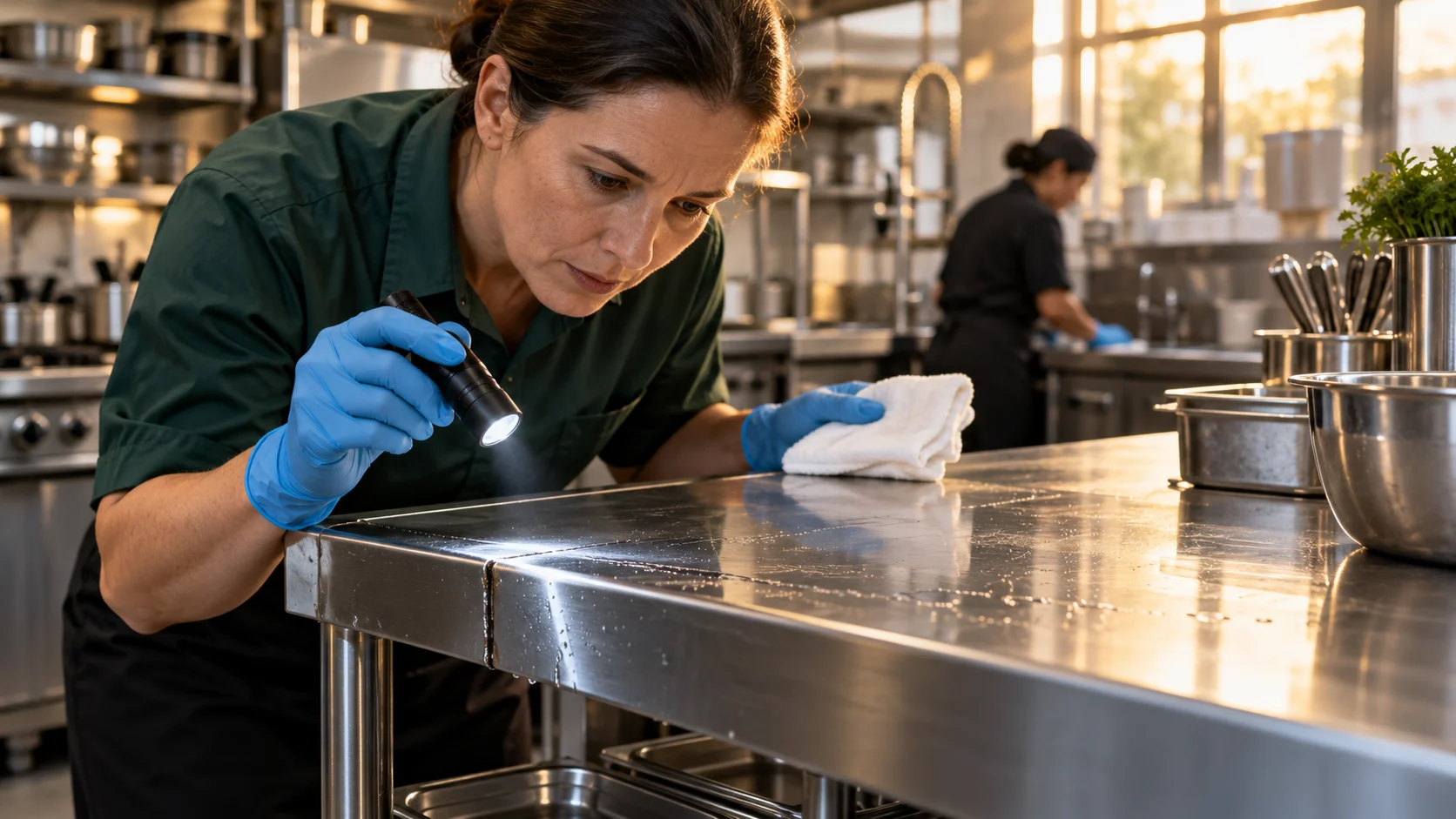
Define the purpose of the activity and whether it is a routine observation, a sampling event or a later review of results. Identify the actual location and point, approved method and responsible role. The form should not suggest that a visual observation establishes a parameter that requires another kind of evidence.
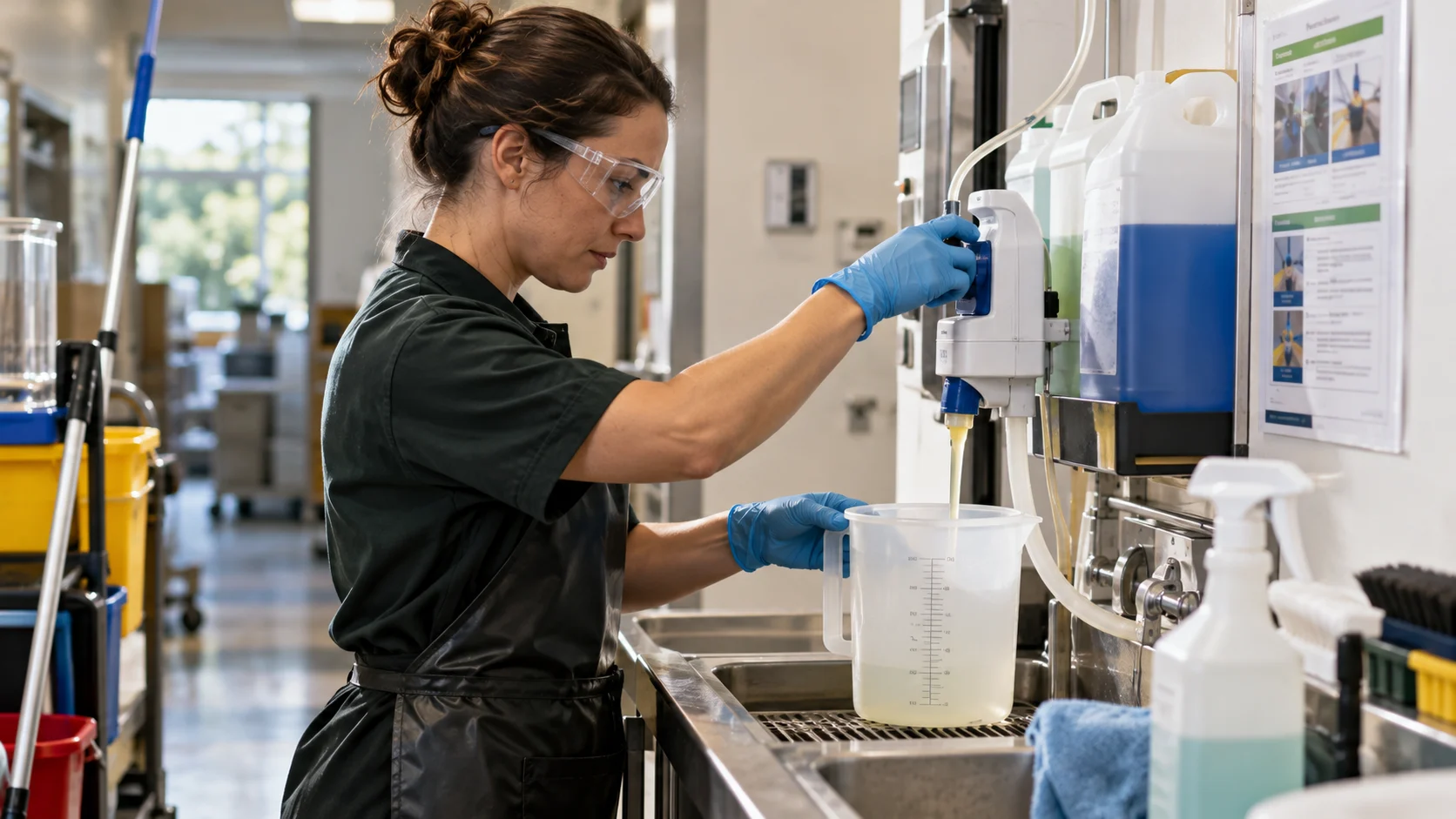
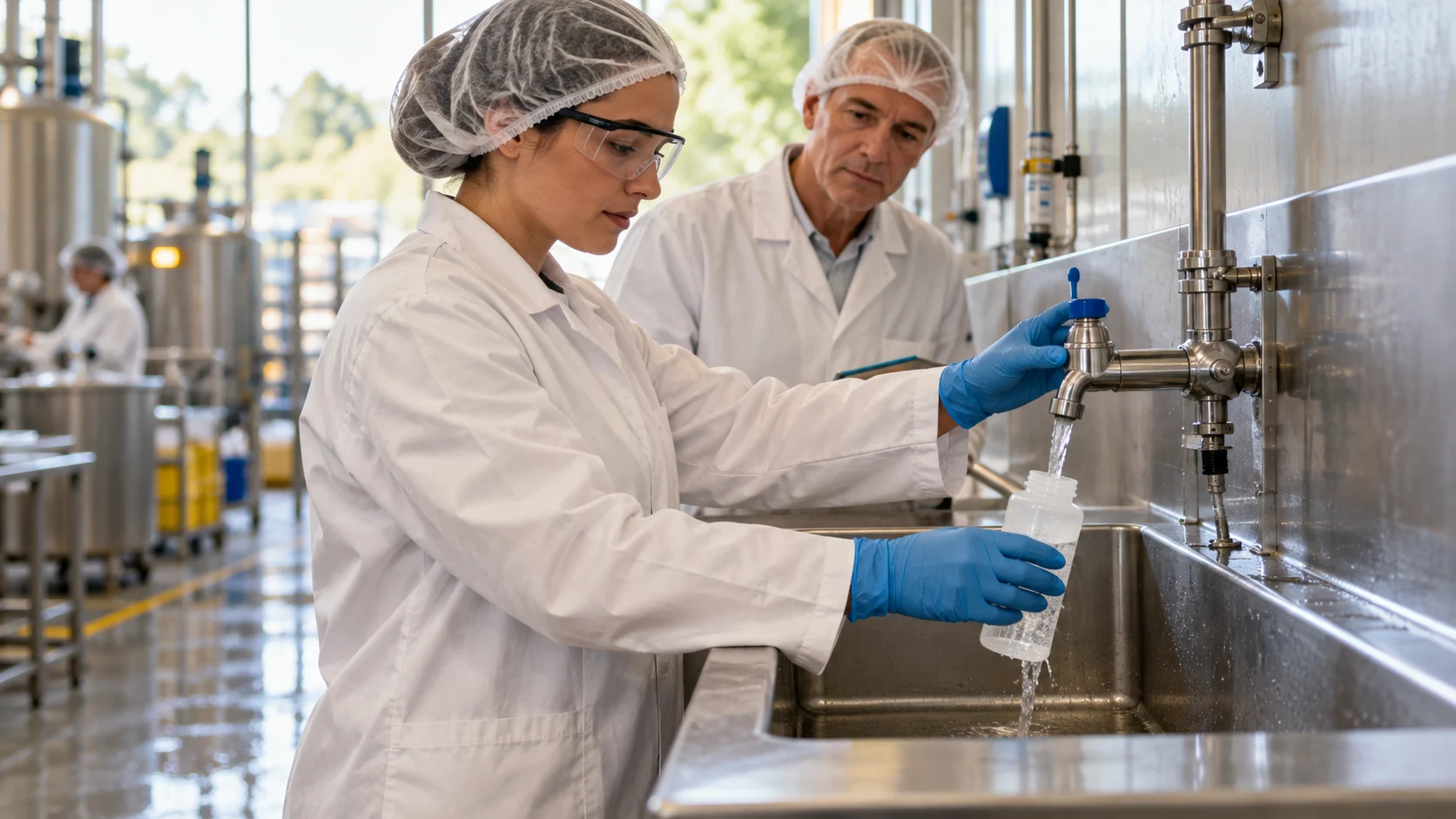
For sampling, retain the event identity and the references needed to connect collection with the result received. Keep the observation time, collection time and report date distinct where applicable. If a location or sample reference is unclear, preserve the uncertainty and seek clarification rather than assigning the result to a convenient nearby point.
Review the scope of the evidence before recording a decision. A laboratory report and a routine site observation can be linked without being merged into one generic pass. Test a missing sample reference, an unmatched report and a routine observation with no test result. The record should make the evidence boundary visible in each case.
Worked example
A site attaches a laboratory report to a named sampling point and records when the sample was taken. Separately, an operator logs a routine observation at another point. The reviewer can distinguish the locations, dates and evidence types.
Build a usable record
Use the fields below to capture the facts needed for this particular decision. Keep the actual observation separate from any later correction or approval.
- Point or location identifier
- Observation or sample type
- Date, method and responsible person
- Result and original report reference
- Review decision and follow-up
Example record and review decision
Fictional record example: OBS-01: routine site observation; SAMPLE-01: separate sampling event, location, collection method and laboratory reference.
Ensure routine observations and laboratory evidence remain distinguishable and linked to the correct point and time.
A visually normal observation cannot be recorded as a laboratory result or as proof of a parameter that was never tested.
Test the review, not just the form
Retrieve one result from its location and then one location from a report. Confirm that attachments and later assessments remain distinguishable. Do not replace a report with a summary status that hides the original evidence and any limitations.
A few useful answers
Can a checklist replace laboratory testing?
No. A checklist can support specified observations and record handling; testing requirements and interpretation need the appropriate procedure and expertise.
Can a normal-looking observation be entered as a test result?
No. Record the observation actually made and its method. Link later sampling or laboratory evidence separately, preserving its point, event and report references rather than attributing an unperformed test to the original check.
Sources and further reading
MarkdownExplore starter templates
Start with a useful checklist
English