Food traceabilityBatch traceability
Split deliveries: keep the supplier lot and receipt events separate
A supplier lot can arrive through more than one receipt. Preserve the shared lot identity while recording each delivery event separately, so dates, quantities and acceptance decisions are not overwritten by the next arrival.
At a glance
A supplier lot can arrive through more than one receipt. Preserve the shared lot identity while recording each delivery event separately, so dates, quantities and acceptance decisions are not overwritten by the next arrival.
Define the decision behind the record
Separate the identifier of the material lot from the identifier of the receiving transaction. A single product row cannot explain several deliveries if its quantity and date change in place. Preserve each event and its supporting documents.
Keep supplier identity and receiving events separate
Identify the supplier lot independently from each delivery or receipt event. One physical supplier lot can arrive in several deliveries, and one delivery can contain several lots. Define how receipt references, quantities, dates and acceptance decisions will remain distinct while preserving the shared source identity.
Record each actual receipt with its document, time, lot quantity and decision. Avoid replacing the supplier lot with the delivery-note number. If one receipt is held or rejected while another is accepted, retain those statuses at the correct scope instead of assigning one blanket outcome to the whole supplier lot.
Test a search by supplier lot and a search by receipt event. The first should recover all related deliveries; the second should show its own quantity and evidence. Review subsequent use against those references so a production investigation can identify which received stock was available and which decision applied.
Worked example
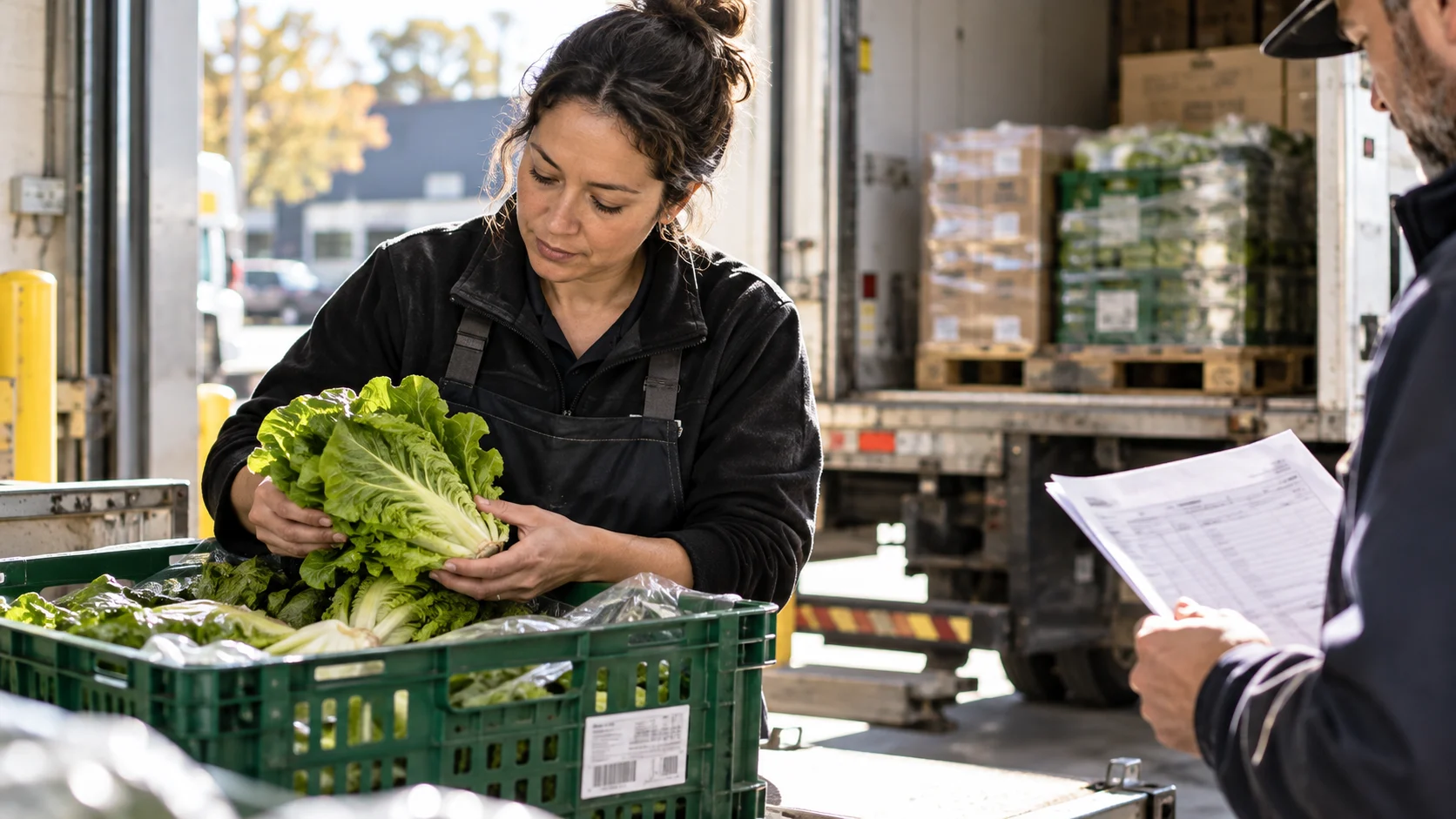
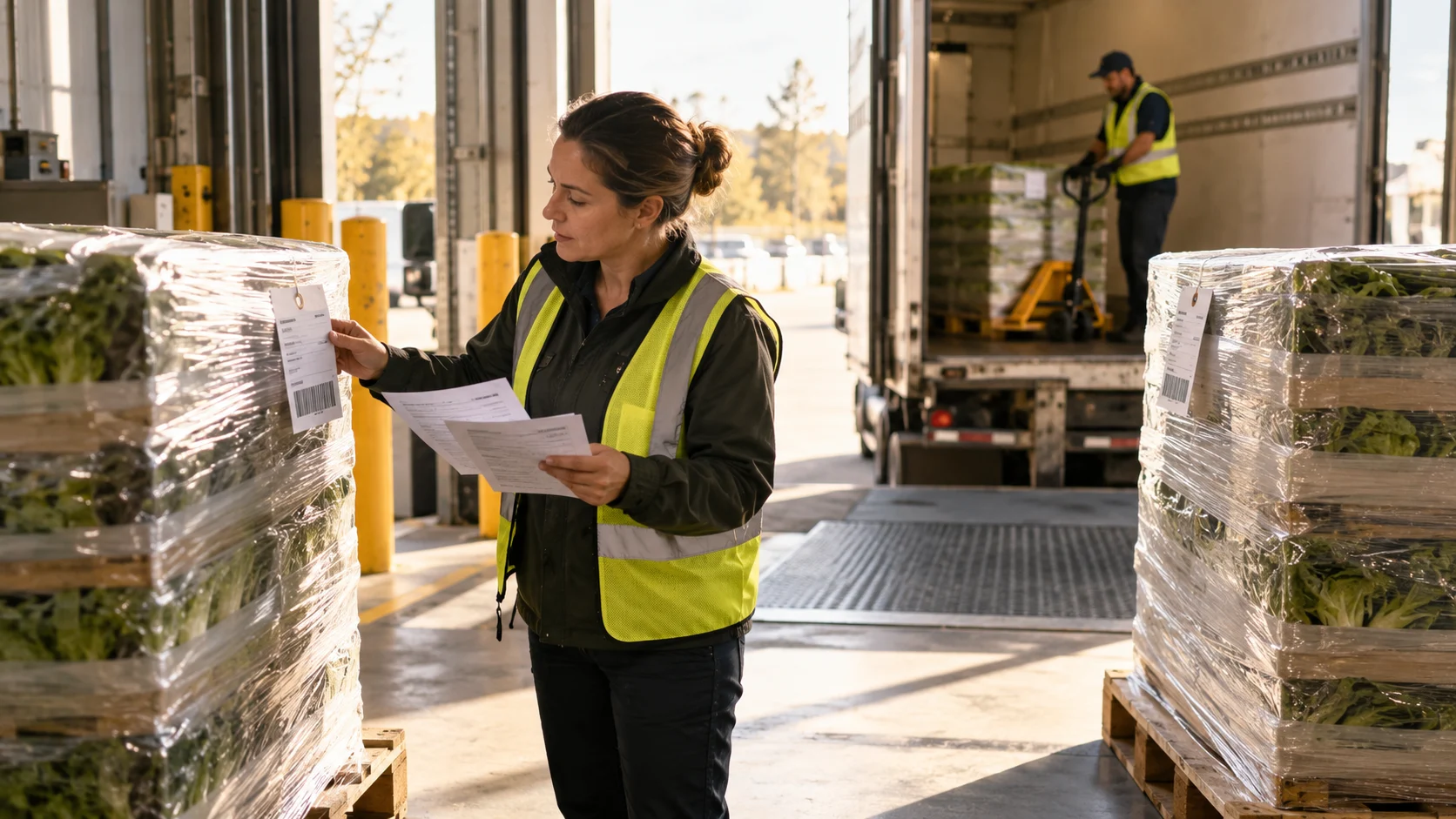
Half of an order arrives on Monday and the remainder later, both marked with the same supplier lot. The team records two receipts, links each to the order and lot, and retains the observations and decisions associated with each arrival.
Build a usable record
Use the fields below to capture the facts needed for this particular decision. Keep the actual observation separate from any later correction or approval.
- Supplier lot and product
- Unique receipt reference
- Receipt date and quantity
- Order and document references
- Acceptance or discrepancy decision
Example record and review decision
Fictional record example: REC-01: ING-A 12 kg; REC-02: ING-A 8 kg on a later delivery; both preserve the same supplier lot with separate receipt evidence.
Search by supplier lot to recover both receipts while retaining each delivery’s own time, quantity and decision.
Combining the deliveries into one undated entry can lose the acceptance history for one part of the stock.
Test the review, not just the form
Search by lot and confirm both receipts appear. Search by the second delivery document and confirm its individual observations are visible. Test a partial rejection without reducing the first delivery’s record by mistake.
A few useful answers
Should a repeated supplier lot create only one receipt?
No. One lot can be associated with several distinct receiving events.
Should two deliveries of the same lot be merged into one receipt?
Keep the common supplier lot identity, but retain the separate receiving events and their evidence. Merging them can remove the timing, quantity and acceptance history needed to explain one part of the stock.
Sources and further reading
MarkdownExplore starter templates
Start with a useful checklist
English