Food traceabilityBatch traceability
Rework traceability: preserve the link to the original batch
A rework record should identify the originating batch, the relevant decision and the receiving production event. Treating rework as an unnamed ingredient can make its earlier history disappear from later forward and backward investigations.
At a glance
A rework record should identify the originating batch, the relevant decision and the receiving production event. Treating rework as an unnamed ingredient can make its earlier history disappear from later forward and backward investigations.
Define the decision behind the record
Define how authorised rework is identified and recorded under the site procedure. Link the source and destination without assuming that an identifier or software record authorises reuse. Keep quantities and the relevant status visible.
Preserve the original batch through the authorised process
Start with the site-approved rework procedure and identify the material’s original batch, status and eligible quantity. Define who authorises the proposed use and which recipe or process applies. The traceability record documents that decision; it should not make potentially unsuitable material eligible merely because a new output code can be assigned.
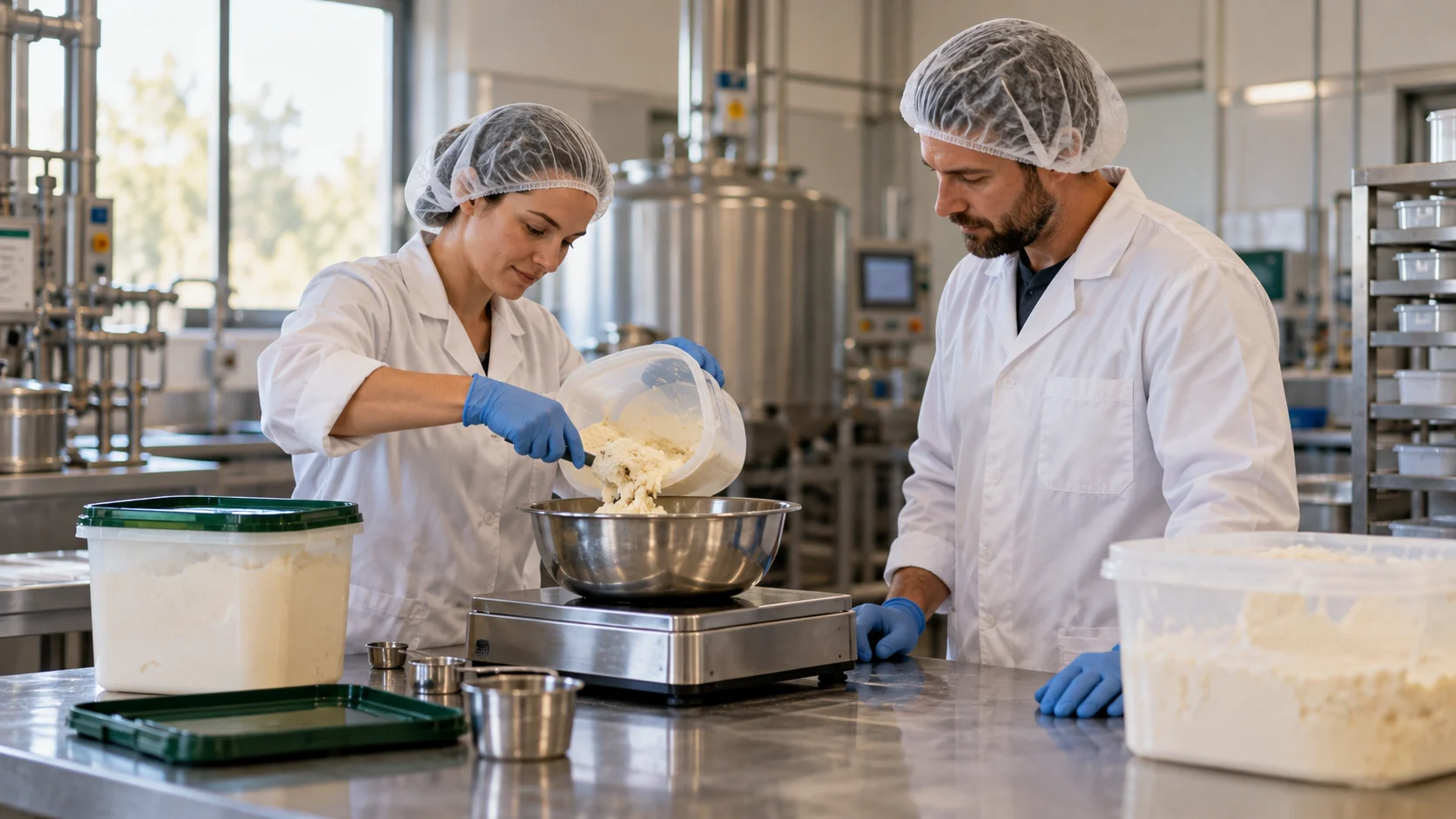
Record actual quantities and the output batch alongside all other inputs. Keep the original batch relationship visible and account for losses, remaining material or further movements. Retain the basis for dates and product information under the applicable procedure rather than assuming a new production event resets them.
Review the new output in both trace directions and include it when searching from the original batch. Test a partial quantity used in rework and a remainder retained elsewhere. The record should explain both destinations without double counting or losing the original status and authorisation history.
Worked example
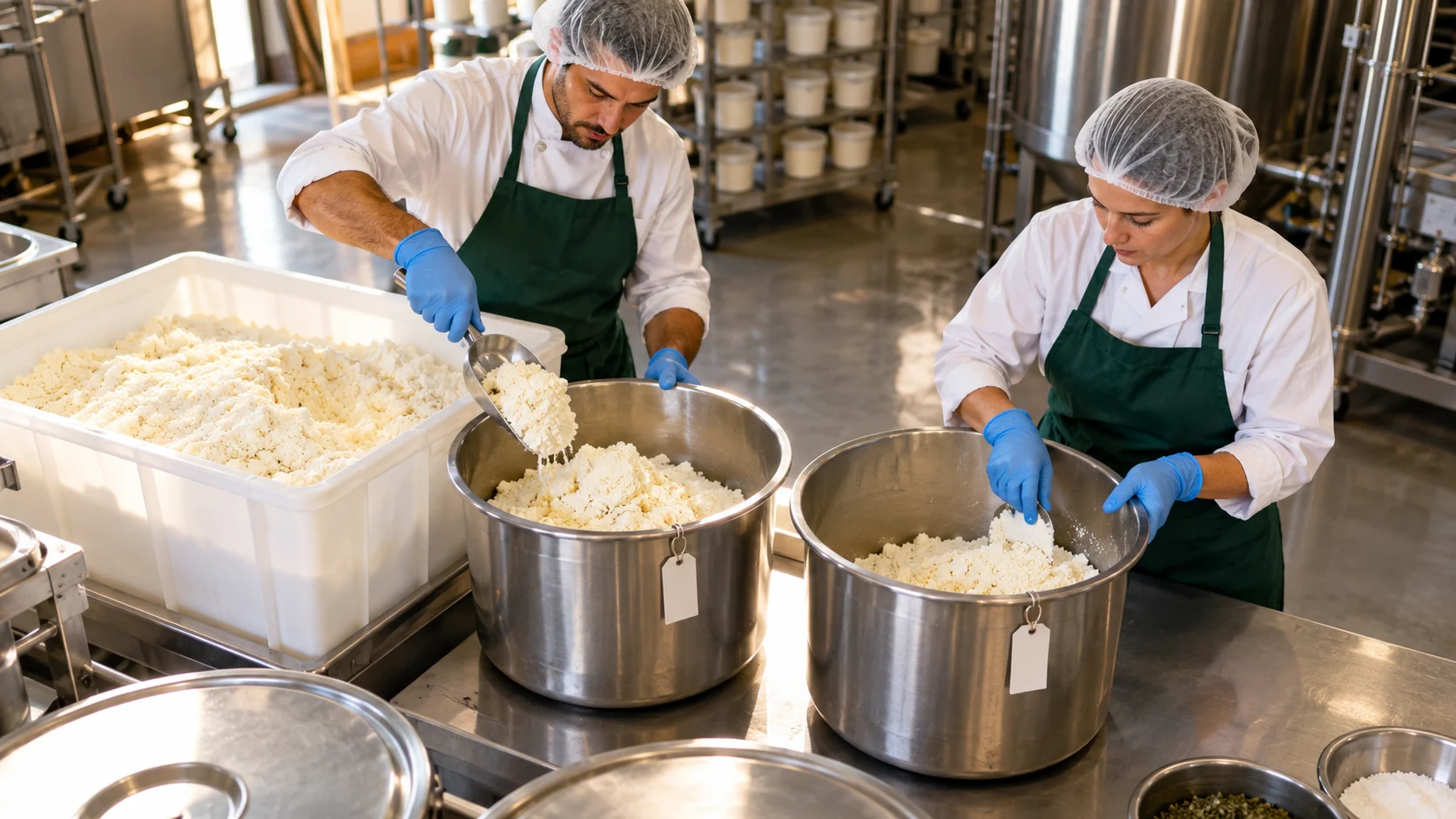
A permitted portion of a production batch is identified for later use. The authorised decision is recorded, and the next production record names that source batch as an input. A later investigation can follow the relationship across both events.
Build a usable record
Use the fields below to capture the facts needed for this particular decision. Keep the actual observation separate from any later correction or approval.
- Source batch and quantity
- Authorised disposition reference
- Destination batch
- Transfer or use event
- Relevant status and reviewer
Example record and review decision
Fictional record example: REWORK-01: original PREP-A, actual eligible quantity and approval; PREP-B: new output linked to PREP-A and other inputs.
Retrieve the original batch, the authorised process and the new batch without replacing either identity.
Calling reused material a new ingredient without its source link can hide its history and affected downstream outputs.
Test the review, not just the form
Select the original batch and identify every recorded downstream use, including rework. Then reverse the search from a downstream batch. Check that closure of the original production task does not remove those relationships.
A few useful answers
Does recording rework mean it is approved for use?
No. Approval and conditions of use come from the applicable procedure and responsible decision.
Does a new output identifier erase the original batch history?
No. It identifies a new event or output while the parent relationship remains relevant. Keep the original batch, actual quantity, authorised process and downstream destinations connected.
Sources and further reading
MarkdownExplore starter templates
Start with a useful checklist
English