Food traceabilityBatch traceability
Repacking records: connect the new identity to its source
Repacking can create new packaging or identifiers without changing the need to preserve source relationships. Record what went in, what came out and the relevant decision so a new label does not sever the earlier product history.

At a glance
Repacking can create new packaging or identifiers without changing the need to preserve source relationships. Record what went in, what came out and the relevant decision so a new label does not sever the earlier product history.
Define the decision behind the record
Separate changes of package from production transformations and from administrative label corrections. The record needs to explain which event actually occurred. New identifiers must be linked to their source rather than treated as evidence of a new, unrelated origin.
Connect the source quantity, output identity and label decision
Define the authorised repacking event and identify the original product, lot and available quantity. Record the output identity and intended packaging units without discarding the source label evidence. Repacking changes presentation; the record should not silently suggest that origin or date basis has disappeared.
Capture actual input, output, losses and remaining stock with their units. Document conversions such as pack count and pack size rather than comparing counts directly with kilograms. Keep label references and the authorised basis for any date information connected to the event.
Test a partial repack with a source remainder and an output split between locations. Search from either output to the original source, then from the source to all outputs and remainder. A reviewer should explain the quantities without counting the same material twice or relying solely on the newly printed label.
Worked example
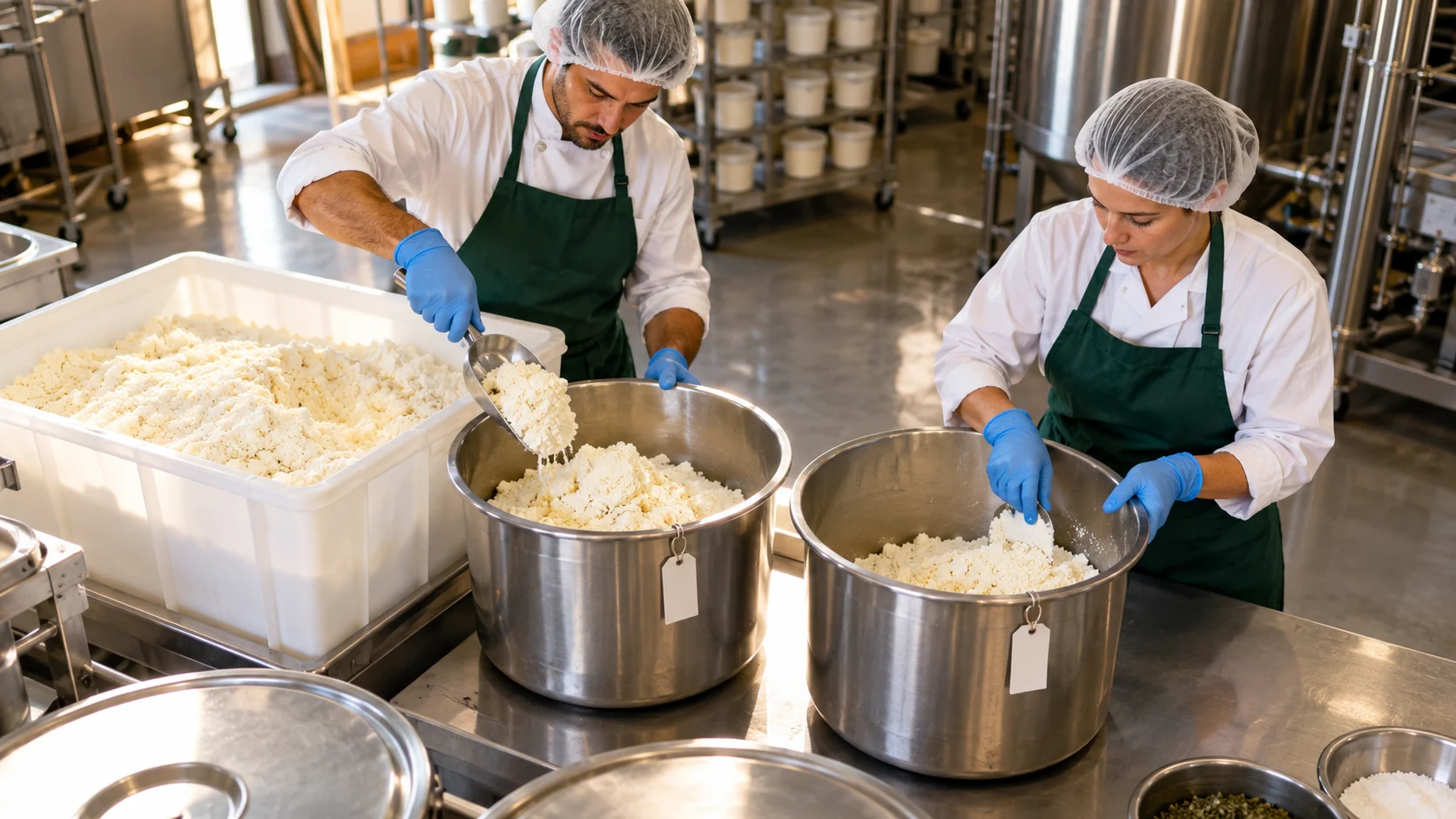
A site divides an identified bulk product into smaller units under its approved process. The record connects the source lot to the output references and quantities. A later lookup from one unit can recover the original receipt information.
Build a usable record
Use the fields below to capture the facts needed for this particular decision. Keep the actual observation separate from any later correction or approval.
- Source product and lot
- Repacking event and operator
- New identifiers and quantities
- Relevant instruction and decision
- Losses and onward movement
Example record and review decision
Fictional record example: REPACK-01: source ING-A 5 kg; output PACK-01, 10 packs of 0.5 kg; recorded loss 0 kg; source label retained.
Explain both the quantity conversion and parent-child lot relationship. Preserve the basis for any output date information.
Printing a new label does not establish a new shelf life or remove the need to retrieve the original product identity.
Test the review, not just the form
Start from an output label and recover the source. Then find all outputs associated with that source. Check how corrected labels and discarded labels are recorded, so an unused label is not mistaken for a real product unit.
A few useful answers
Does a new label create a new origin?
No. Preserve the actual source and the event linking it to the new packaging or identifier.
Does printing a fresh label create a new shelf life?
No conclusion follows from printing alone. Retain the original product history and the authorised basis for the label information under the applicable procedure. A new identifier does not itself justify changing a date.
Sources and further reading
MarkdownExplore starter templates
Start with a useful checklist
English