The field guide
Workboats & commercial fleets

KIVLOO / Workboats & commercial fleets

Every vessel. A familiar routine.

Build operational checks around your domestic safety management system. Keep induction, drills, defects and examination evidence connected across masters and shore teams.

ISM · MARPOL · MLC · SOLAS · ISO

01Choose your vessel context
02Adapt the blank template
03Record, follow up, review

01 / Maritime

Find your operation

Workboats & commercial fleets

Build operational checks around your domestic safety management system. Keep induction, drills, defects and examination evidence connected across masters and shore teams.

  • Departure observations
  • Crew familiarisation
  • SMS review

Start with the actual code, operating certificate and service area. UK WB3 and Australian domestic-vessel requirements are separate regimes.


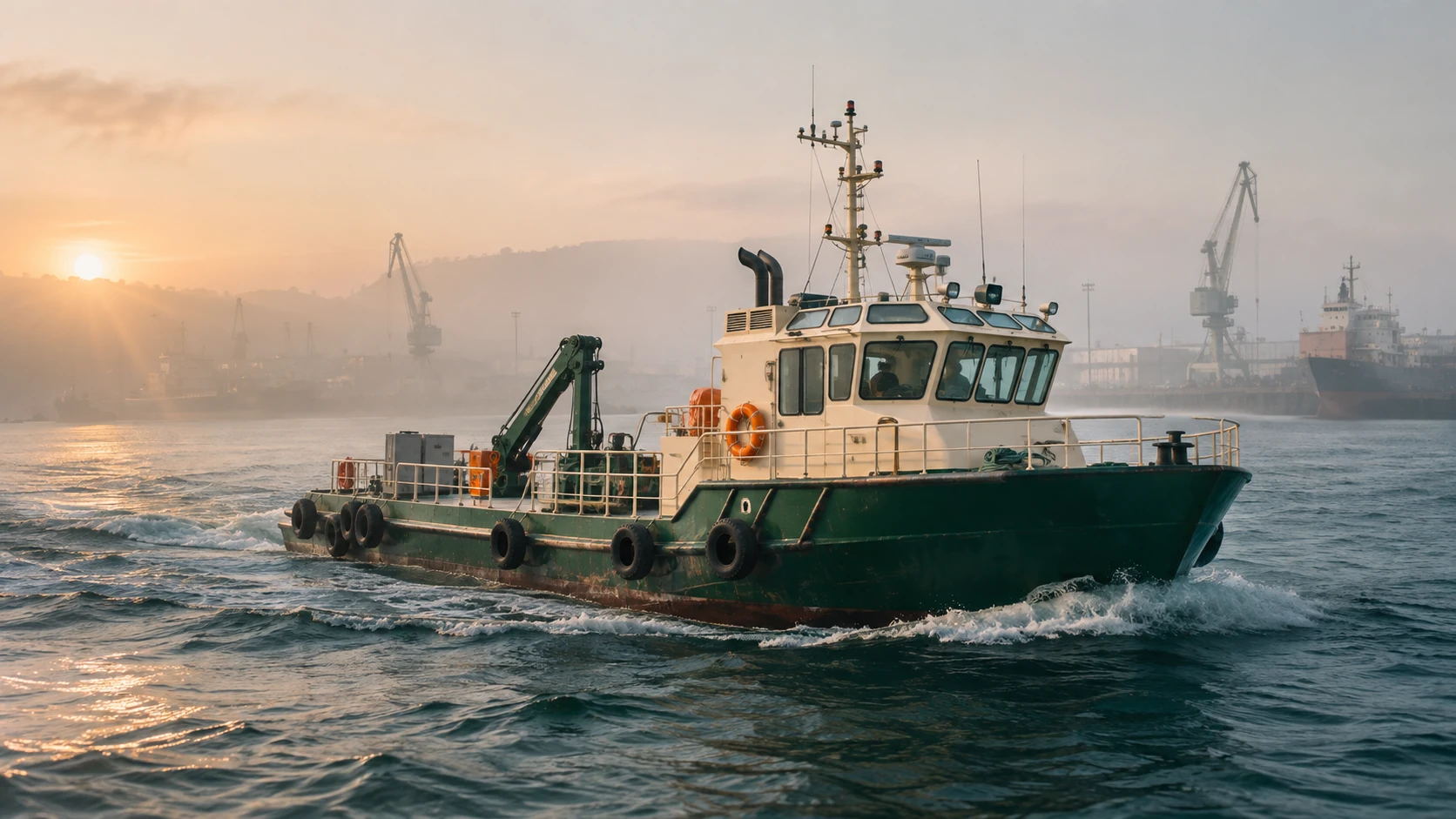
A vessel at sea in natural light

The field guide

Maritime safety management: the practical guide

Connect the procedure, the observation and the next responsible person. Practical guidance for the people on board and the teams ashore.

Read the guide

02 / Onboard templates

Choose a routine

100

100 / 100 · Onboard templates

M / 01 · FLAG / ISM

Vessel applicability review

Identify the actual vessel profile before choosing requirements.

  • Record flag, type, dimensions, GT, use, persons carried and operating area.
  • List the current legal, code, class and contractual sources separately.
Use in Kivloo
M / 02 · ISM

Departure-readiness observation

Record readiness observations against the master’s approved procedure.

  • Identify the voyage, vessel, responsible master and approved departure procedure.
  • Record the relevant equipment and condition observations within your competence.
Use in Kivloo
M / 03 · STCW / ISM

Crew familiarisation and handover

Keep vessel-specific duties and unresolved work clear for the next crew.

  • Identify the joining or relieving role and handover time.
  • Reference the current emergency, safety and operating instructions.
Use in Kivloo
M / 04 · SOLAS / ISM

Routine vessel safety inspection

Keep observations, locations and follow-up together.

  • Define vessel areas, equipment and inspection scope from the SMS.
  • Record actual visible condition and the time of observation.
Use in Kivloo
M / 05 · SOLAS / STCW

Emergency drill and debrief

Connect the planned scenario to participation and lessons.

  • Reference the SMS scenario, approved frequency and coordinator.
  • Record actual event time, participants and their roles.
Use in Kivloo
M / 06 · ISM

Incident and near-miss report

Preserve facts, immediate response and escalation.

  • Identify vessel, location, actual time and reporter.
  • Describe observed facts and distinguish them from assumptions.
Use in Kivloo
M / 07 · ISM

Corrective-action verification

Close findings with evidence rather than a completed tick.

  • Reference the original finding, vessel and risk priority.
  • Record the assigned owner, target date and immediate controls.
Use in Kivloo
M / 08 · FLAG / ISM

Certificate and survey evidence review

Index certificates and review windows without issuing approval.

  • Identify the company or vessel and the document concerned.
  • Record issuer, scope, edition and authoritative evidence reference.
Use in Kivloo
M / 09 · MLC

Provisions receiving and cold chain

Connect delivered food to the voyage and the approved food-safety plan.

  • Record supplier, delivery time, product and lot or batch identity.
  • Reference approved receiving criteria, instrument and units.
Use in Kivloo
M / 10 · MLC

Galley, food and water inspection

Support shipboard catering review with actual observations.

  • Reference vessel, voyage, food/water plan and designated reviewer.
  • Record storage, preparation-area and equipment observations.
Use in Kivloo
M / 11 · MARPOL

Waste and pollution-prevention readiness

Keep operational checks linked to accepted statutory records.

  • Identify the applicable vessel plan, waste streams and responsibilities.
  • Record segregation, signage and crew instruction observations.
Use in Kivloo
M / 12 · ISM

Internal SMS review and evidence index

Connect procedures, real records and improvement work.

  • Define company/vessel scope, reviewer and review period.
  • Reference the current SMS procedures and applicable sources.
Use in Kivloo
M / 13 · SOLAS / IMDG / IMSBC

Cargo documentation readiness review

Keep cargo-specific documents, specialist decisions and unresolved gaps together.

  • Identify vessel, voyage, cargo description and responsible cargo officer.
  • Reference the applicable IMDG, IMSBC or other approved cargo procedure and current edition.
Use in Kivloo
M / 14 · SOLAS / ISM

Cargo condition and operations handover

Connect observed cargo condition to the responsible ship and shore roles.

  • Identify cargo unit or hold, location, event time and inspection scope.
  • Reference the approved condition, loading or discharge procedure and competent reviewer.
Use in Kivloo
M / 15 · MLC / STCW

Hours of rest and fatigue review

MLC A2.3; STCW A-VIII/1. Daily and before watch assignment. Responsible: Master and watchkeeper.

  • Identify each seafarer, watch, ship-local time offset and review window.
  • Reconcile actual work, overtime, drills, call-outs and interrupted rest against the watch schedule; do not substitute planned hours.
Use in Kivloo
M / 16 · MLC

Seafarer employment agreements

MLC A2.1. Before joining and on contract change. Responsible: Crewing manager.

  • Verify shipowner identity and authorised signatory.
  • Check signed agreement, review opportunity and seafarer copy.
Use in Kivloo
M / 17 · MLC

Wages, accounts and allotments

MLC A2.2. Each pay cycle. Responsible: Payroll and crewing manager.

  • Reconcile agreed basic pay, overtime and deductions.
  • Check payment at no greater than monthly intervals under applicable provisions.
Use in Kivloo
M / 18 · MLC

Recruitment and placement safeguards

MLC A1.4. Before agency appointment and joining. Responsible: Crewing manager.

  • Verify agency licensing or applicable regulation.
  • Check recruitment fees and permitted personal-document cost exceptions.
Use in Kivloo
M / 19 · MLC

Minimum age and young seafarer protection

MLC A1.1. Before joining and task allocation. Responsible: Crewing manager and master.

  • Verify age against reliable identity records.
  • Check flag minimum age and under-18 restrictions.
Use in Kivloo
M / 20 · MLC / STCW

Medical fitness certificates

MLC A1.2; STCW I/9. Before joining and before expiry. Responsible: Crewing manager and master.

  • Verify issuing practitioner recognition and certificate identity.
  • Check expiry, limitations and voyage coverage.
Use in Kivloo
M / 21 · MLC

Leave, shore leave and repatriation

MLC A2.4–A2.5. At relief planning and repatriation trigger. Responsible: Crewing manager.

  • Review accrued leave and service duration under flag and contract.
  • Record shore-leave arrangements and documented restrictions.
Use in Kivloo
M / 22 · MLC

Abandonment and shipowner liability security

MLC A2.5.2; A4.2. Before sailing and security renewal. Responsible: Shipowner representative.

  • Check abandonment financial security certificate and provider.
  • Check death or long-term disability contractual claim security.
Use in Kivloo
M / 23 · MLC

Accommodation, recreation and welfare

MLC A3.1. At required onboard inspection interval. Responsible: Master and designated inspector.

  • Identify construction-date and flag accommodation requirements.
  • Inspect cabins, ventilation, lighting and sanitary spaces.
Use in Kivloo
M / 24 · MLC

Onboard medical care and medical stores

MLC A4.1. At inventory interval and before departure. Responsible: Designated medical officer.

  • Check medical chest against flag list and voyage needs.
  • Verify qualified medical care or first-aid personnel.
Use in Kivloo
M / 25 · MLC / ISM

Occupational health and safety committee

MLC A4.3; ISM 6–9. At risk review and committee interval. Responsible: Safety officer.

  • Review task hazards and applicable exposure controls.
  • Check PPE suitability, training and maintenance.
Use in Kivloo
M / 26 · MLC

Confidential onboard complaints

MLC A5.1.5. On joining and when a complaint is received. Responsible: Designated complaints officer.

  • Confirm crew have the onboard complaint procedure and external contacts.
  • Explain representation and direct access to master or authorities.
Use in Kivloo
M / 27 · MLC

MLC certificate, DMLC and inspection readiness

MLC A5.1.3–A5.1.4. Before inspection and at certificate milestones. Responsible: Master and shipowner representative.

  • Determine certification scope and applicable flag implementation.
  • Check Maritime Labour Certificate validity and inspection endorsements.
Use in Kivloo
M / 28 · MLC / STCW

Violence, harassment and bullying prevention

MLC A4.3; STCW A-VI/1-4. On joining, training review and report. Responsible: Master and safeguarding contact.

  • Check training against STCW changes effective 1 January 2026.
  • Confirm reporting channels outside the alleged perpetrator's command chain.
Use in Kivloo
M / 29 · STCW

STCW endorsements and safe manning

STCW I/2, I/10; SOLAS V/14. Before sailing and crew change. Responsible: Master and crewing manager.

  • Compare actual crew with minimum safe manning document.
  • Verify certificates, flag endorsements, roles and expiry.
Use in Kivloo
M / 30 · STCW / SOLAS

Competence, familiarisation and training matrix

STCW I/14; SOLAS III/19. On joining and training review. Responsible: Master and training officer.

  • Map each role to required basic and specialist competence.
  • Check joining familiarisation before duties.
Use in Kivloo
M / 31 · ISM

DPA access and master's overriding authority

ISM 3–5. On SMS review and change of command. Responsible: Master and designated person ashore.

  • Check shipowner responsibilities and shore reporting lines.
  • Verify designated person availability and alternate contacts.
Use in Kivloo
M / 32 · ISM

Risk assessment and management of change

ISM 1.2, 7; operator SMS. Before non-routine work or operational change. Responsible: Master and department lead.

  • Define change, affected systems and responsible approver.
  • Identify hazards, simultaneous operations and affected people.
Use in Kivloo
M / 33 · ISM / SOLAS

Planned maintenance and critical equipment

ISM 10; SOLAS II-1. At planned interval and defect report. Responsible: Chief engineer.

  • Identify critical equipment and maintenance intervals.
  • Review overdue work and authorised deferrals.
Use in Kivloo
M / 34 · ISM

SMS document control and records

ISM 11. On revision and scheduled review. Responsible: DPA and document controller.

  • Identify approved document owner and revision.
  • Verify onboard and shore copies match.
Use in Kivloo
M / 35 · ISM

SMS internal audit and management review

ISM 12. At required audit and review intervals. Responsible: DPA and independent auditor.

  • Define audit scope and auditor independence.
  • Review ship and company audit due dates.
Use in Kivloo
M / 36 · ISM

DOC and SMC certification cycle

ISM 13–14; SOLAS IX. Before survey milestones and certification change. Responsible: DPA and master.

  • Check company DOC ship-type scope and annual verification.
  • Check vessel SMC and intermediate verification.
Use in Kivloo
M / 37 · ISM / SOLAS

Emergency preparedness and shore exercises

ISM 8; SOLAS III. At exercise interval and scenario change. Responsible: Master and emergency coordinator.

  • Review credible vessel-specific emergencies.
  • Check onboard and shore roles and contact trees.
Use in Kivloo
M / 38 · ISM / CYBER

Maritime cyber risk and recovery

ISM; IMO MSC.428(98). At system change and exercise interval. Responsible: DPA and IT/OT lead.

  • Inventory bridge, machinery and business systems.
  • Review access, vendor connections and removable media controls.
Use in Kivloo
M / 39 · SOLAS

Fire detection, suppression and escape routes

SOLAS II-2; FSS Code. At maintenance interval and before departure. Responsible: Safety officer and chief engineer.

  • Check fire control plans and system inventory.
  • Inspect detection, alarms and authorised test results.
Use in Kivloo
M / 40 · SOLAS

Lifeboats, rafts and rescue equipment

SOLAS III; LSA Code; MSC.402(96). At required inspection and service intervals. Responsible: Safety officer.

  • Check survival craft inventory and capacity.
  • Inspect access, readiness and embarkation arrangements.
Use in Kivloo
M / 41 · SOLAS

GMDSS and distress communication readiness

SOLAS IV. At required radio checks and before voyage. Responsible: Radio operator.

  • Confirm sea-area radio requirements and operator qualifications.
  • Review radio licences, identities and current publications.
Use in Kivloo
M / 42 · SOLAS / COLREG

Passage planning and navigation review

SOLAS V/34; COLREG. Before voyage and route change. Responsible: Master and navigating officer.

  • Record appraisal using updated charts and publications.
  • Review route, draught, under-keel clearance and tides.
Use in Kivloo
M / 43 · SOLAS / COLREG / STCW

Bridge watch handover and collision prevention

SOLAS V; COLREG 5–10, 19; STCW VIII. Every watch handover and visibility change. Responsible: Officer of the watch.

  • Check lookout, visibility, traffic and vessel position.
  • Review radar, AIS limitations and independent position checks.
Use in Kivloo
M / 44 · SOLAS

Navigation equipment, charts and bridge records

SOLAS V/18–20, 27. Before voyage and planned checks. Responsible: Navigating officer.

  • Check charts, ECDIS permits and correction status.
  • Verify radar, GNSS, speed and depth instruments.
Use in Kivloo
M / 45 · SOLAS

Steering gear checks and emergency steering drill

SOLAS V/26. At statutory test and drill intervals. Responsible: Master and chief engineer.

  • Identify required pre-departure tests and applicable flag exceptions.
  • Review main, auxiliary and remote steering checks.
Use in Kivloo
M / 46 · SOLAS

Emergency generator and blackout recovery

SOLAS II-1. At planned test and drill intervals. Responsible: Chief engineer.

  • Review emergency loads and approved test procedure.
  • Check generator starting and fuel readiness.
Use in Kivloo
M / 47 · SOLAS / LOAD LINES

Watertight integrity and stability readiness

SOLAS II-1; Load Lines. Before sailing and condition change. Responsible: Master and chief officer.

  • Check approved stability information and loading instrument status.
  • Review draughts, freeboard and load line conditions.
Use in Kivloo
M / 48 · SOLAS / ISM

Enclosed space entry permit and rescue readiness

SOLAS XI-1/7; III/19; approved SMS. Before every entry and whenever conditions change. Responsible: Authorised entry supervisor.

  • Identify the space, residues, adjacent hazards and entry purpose.
  • Verify isolation, lockout and ventilation under the approved procedure.
Use in Kivloo
M / 49 · SOLAS / STCW

Muster, abandon ship and fire drill record

SOLAS III/19, III/37. At applicable statutory drill intervals. Responsible: Master and safety officer.

  • Check muster list, duties and working-language instructions.
  • Review required frequency and joining-crew triggers.
Use in Kivloo
M / 50 · SOLAS / ISM

Mooring, anchoring and towing readiness

SOLAS II-1/3-8; approved SMS. Before each operation and inspection interval. Responsible: Master and deck supervisor.

  • Review mooring or towing plan and environmental limits.
  • Check equipment inventory, line condition and inspection evidence.
Use in Kivloo
M / 51 · SOLAS / ISM

Lifting appliances, loose gear and anchor-handling winches

SOLAS II-1/3-13; 2026 applicability. Before lift and statutory examination milestone. Responsible: Chief officer and competent lifting supervisor.

  • Determine installation date and applicable survey transition.
  • Verify appliance register, safe working load and examination certificates.
Use in Kivloo
M / 52 · SOLAS / MARPOL

Lost container detection and reporting

SOLAS V/31–32; MARPOL Protocol I; 2026 amendments. On loss, sighting or updated information. Responsible: Master.

  • Record actual or estimated position, UTC time and number of containers.
  • Identify immediate navigational and pollution hazards.
Use in Kivloo
M / 53 · ISPS

ISPS access control and security watch

SOLAS XI-2; ISPS Part A. At port arrival and security-level change. Responsible: Ship security officer.

  • Confirm current security level and port interface.
  • Check identity, visitors and restricted-area control.
Use in Kivloo
M / 54 · ISPS

Declaration of Security and security exercises

ISPS Part A 5, 13. At required interface and exercise triggers. Responsible: Ship and company security officers.

  • Determine whether a Declaration of Security is required.
  • Identify ship and port facility security contacts.
Use in Kivloo
M / 55 · MARPOL I

Annex I bilge, sludge and Oil Record Book review

MARPOL Annex I. Before transfer or disposal and record review. Responsible: Chief engineer.

  • Identify tanks, quantities and authorised transfer route.
  • Check oily-water equipment, alarms and service evidence.
Use in Kivloo
M / 56 · MARPOL I / VI

Bunkering and oil spill prevention

MARPOL Annex I, VI; approved bunkering plan. Before, during and after each delivery. Responsible: Chief engineer and bunker supervisor.

  • Confirm fuel specification, receiving capacity and tank plan.
  • Agree supplier communications, rate and emergency stop.
Use in Kivloo
M / 57 · MARPOL I / II

SOPEP/SMPEP readiness and pollution response

MARPOL I/37; II/17. At exercise interval and before cargo or bunker transfer. Responsible: Master and pollution response lead.

  • Check approved plan applicability and current contacts.
  • Identify pollution response team and reporting routes.
Use in Kivloo
M / 58 · MARPOL II / IBC

Annex II noxious liquid substances and Cargo Record Book

MARPOL Annex II; IBC Code. Before cargo operation and tank cleaning. Responsible: Chief officer.

  • Verify product identity and authorised carriage category.
  • Review approved Procedures and Arrangements Manual.
Use in Kivloo
M / 59 · MARPOL III / IMDG

Annex III harmful substances in packaged form

MARPOL Annex III; IMDG Code. Before accepting or loading packages. Responsible: Chief officer.

  • Verify marine pollutant declaration and package identity.
  • Check marks, labels and packaging condition.
Use in Kivloo
M / 60 · MARPOL IV

Annex IV sewage treatment and discharge readiness

MARPOL Annex IV. Before discharge and planned equipment checks. Responsible: Chief engineer.

  • Check sewage certificate and approved plant or holding arrangements.
  • Review location, voyage and local restrictions.
Use in Kivloo
M / 61 · MARPOL V

Annex V garbage segregation and record review

MARPOL Annex V. At collection, disposal and record review. Responsible: Environmental officer.

  • Check garbage plan, placards and applicability of record-book requirements.
  • Verify segregation including plastics, food, cooking oil and operational waste.
Use in Kivloo
M / 62 · MARPOL V / IMSBC

Cargo residues, hold washing and washwater

MARPOL Annex V; IMSBC Code. Before hold cleaning and residue disposal. Responsible: Chief officer.

  • Verify cargo environmental classification and shipper declaration.
  • Identify residues, cleaning agents and washwater hazards.
Use in Kivloo
M / 63 · MARPOL VI

Annex VI fuel sulphur and ECA changeover

MARPOL Annex VI/14, 18. Before ECA entry and fuel changeover. Responsible: Chief engineer.

  • Review route and current emission control areas and implementation dates.
  • Check fuel sulphur specification, bunker notes and samples.
Use in Kivloo
M / 64 · MARPOL VI

NOx, ozone-depleting substances and incineration

MARPOL Annex VI/12, 13, 16. At equipment service and emission review. Responsible: Chief engineer.

  • Check EIAPP certificates and NOx Technical Files.
  • Review engine parameter records and modifications.
Use in Kivloo
M / 65 · MARPOL VI

SEEMP, fuel data and CII review

MARPOL Annex VI; SEEMP, DCS, CII. At reporting cycle and operational change. Responsible: Shipowner energy manager.

  • Determine tonnage, ship-type and reporting applicability.
  • Check approved SEEMP parts and verification evidence.
Use in Kivloo
M / 66 · BWM

Ballast water treatment and operations record

BWM Convention; approved BWMP. Before ballast uptake, treatment or discharge. Responsible: Chief officer.

  • Check certificate and approved ballast water management plan.
  • Review treatment equipment status, alarms and consumables.
Use in Kivloo
M / 67 · AFS / BIOFOULING

Biofouling management and anti-fouling evidence

AFS Convention; IMO biofouling guidelines; local rules. Before drydock, cleaning and port-entry review. Responsible: Technical superintendent.

  • Check anti-fouling certificate or declaration applicability.
  • Review coatings, prohibited substances and service history.
Use in Kivloo
M / 68 · HKC

Inventory of hazardous materials and ship recycling

Hong Kong Convention; applicable regional rules. On equipment change and recycling planning. Responsible: Shipowner and technical superintendent.

  • Check convention and regional applicability and inventory certification.
  • Review IHM maintenance and supplier material declarations.
Use in Kivloo
M / 69 · IMDG / SOLAS

IMDG dangerous goods acceptance

SOLAS VII; IMDG 42-24. Before acceptance and stowage change. Responsible: Trained dangerous goods officer.

  • Verify shipper declaration, UN number and proper shipping name.
  • Check class, subsidiary risk, packing group and marine pollutant status.
Use in Kivloo
M / 70 · IMSBC / SOLAS

IMSBC bulk cargo acceptance and liquefaction controls

SOLAS VI; IMSBC Code. Before loading and when cargo condition changes. Responsible: Master and chief officer.

  • Verify bulk cargo shipping name and individual schedule.
  • Review cargo group and shipper declaration.
Use in Kivloo
M / 71 · SOLAS / CSS

Container VGM, stowage and securing

SOLAS VI/2, VI/5; approved Cargo Securing Manual. Before loading and sailing. Responsible: Chief officer.

  • Match container identity and verified gross mass evidence.
  • Check vessel loading-plan communication and cut-off.
Use in Kivloo
M / 72 · GRAIN / SOLAS

Grain loading readiness

SOLAS VI; International Grain Code. Before grain loading and departure. Responsible: Master and chief officer.

  • Check document of authorisation and approved grain loading manual.
  • Identify cargo, hold preparation and trimming arrangements.
Use in Kivloo
M / 73 · SOLAS / MARPOL I

Oil tanker ship-shore transfer and inert gas

SOLAS II-2; MARPOL Annex I; approved cargo procedures. Before and during each transfer. Responsible: Chief officer and terminal representative.

  • Agree cargo plan, rates, pressure and communications with terminal.
  • Check moorings, access, ignition controls and spill readiness.
Use in Kivloo
M / 74 · IBC / MARPOL II

Chemical tanker cargo compatibility and transfer

IBC Code; MARPOL Annex II. Before chemical cargo acceptance and transfer. Responsible: Chief officer.

  • Match cargo against certificate of fitness and product list.
  • Review cargo hazards, compatibility and tank coating suitability.
Use in Kivloo
M / 75 · IGC / SOLAS

Gas carrier containment and transfer readiness

IGC Code; approved cargo manual. Before cargo transfer and condition change. Responsible: Chief officer and gas engineer.

  • Check certificate of fitness and approved cargo limits.
  • Review containment pressure, temperature and relief arrangements.
Use in Kivloo
M / 76 · IGF / SOLAS

Gas and low-flashpoint fuel bunkering

IGF Code; approved fuel procedures. Before each low-flashpoint fuel transfer. Responsible: Chief engineer and bunker supervisor.

  • Check applicable fuel code, vessel approval and trained personnel.
  • Review bunker compatibility, capacity and transfer plan.
Use in Kivloo
M / 77 · POLAR

Polar voyage and operational manual review

SOLAS XIV; Polar Code; MARPOL. Before polar voyage and ice-condition change. Responsible: Master and ice navigator.

  • Check Polar Ship Certificate and current applicability including relevant non-SOLAS provisions.
  • Review PWOM, ice limitations and environmental conditions.
Use in Kivloo
M / 78 · SOLAS / STCW

Passenger accounting, muster and assistance

SOLAS III; STCW V/2. Before departure and passenger drills. Responsible: Master and passenger services lead.

  • Reconcile passenger numbers and required identity information.
  • Check muster instructions in suitable languages.
Use in Kivloo
M / 79 · SOLAS

Ro-ro vehicle deck fire and securing controls

SOLAS II-2; applicable 2026 amendments. Before departure and during deck watch. Responsible: Chief officer and fire safety officer.

  • Check vehicle deck hazards and prohibited activities.
  • Review fire detection, patrol and video-monitoring applicability by ship date and type.
Use in Kivloo
M / 80 · IP / SOLAS

Industrial personnel and offshore transfer

SOLAS XV; IP Code; approved transfer procedures. Before each transfer. Responsible: Master and transfer supervisor.

  • Determine IP Code and personnel-count applicability.
  • Check certification, medical fitness and familiarisation.
Use in Kivloo
M / 81 · HSC / SPS

High-speed and special-purpose vessel readiness

HSC Code or SPS Code as applicable. Before service and operating-area change. Responsible: Master and technical superintendent.

  • Identify the applicable HSC or SPS regime and flag approval.
  • Check certificates, operating permit and person categories.
Use in Kivloo
M / 82 · C188 / STCW-F

Fishing vessel labour, rest and safety

ILO C188; STCW-F; flag fishing-vessel rules. Before voyage and crew change. Responsible: Owner and skipper.

  • Confirm fishing-vessel scope; MLC is not the default labour regime for fishing vessels.
  • Check work agreements, age, fitness and recruitment.
Use in Kivloo
M / 83 · LOAD LINES

Load Lines, tonnage and survey status

Load Lines; Tonnage; flag survey rules. Before departure and survey milestones. Responsible: Master and superintendent.

  • Verify load line and tonnage certificate particulars.
  • Check endorsements and survey windows.
Use in Kivloo
M / 84 · PSC

Port State Control preparation and deficiency closure

Applicable convention and port State procedures. Before port call and after inspection. Responsible: Master and superintendent.

  • Identify port State requirements and inspection history.
  • Index certificates, crew records and key operational evidence.
Use in Kivloo
M / 85 · FLAG / LOCAL

Flag, coastal State and port obligation register

Flag legislation; coastal State and port notices. Before trading-area, flag or vessel-use change. Responsible: DPA and master.

  • Record flag, vessel use, length, tonnage, construction date and trading area.
  • List ratifications, exemptions, equivalents and national implementation.
Use in Kivloo
M / 86 · FLAG / LOCAL

Workboat and domestic vessel SMS review

Applicable domestic vessel or workboat code. Before service and SMS review. Responsible: Owner and master.

  • Identify actual flag, domestic code and operating certificate.
  • Check vessel category, limits and persons carried.
Use in Kivloo
M / 87 · FLAG / LOCAL / MLC

Commercial yacht and charter readiness

Applicable yacht code; flag law; MLC scope. Before charter and change of use. Responsible: Master and yacht manager.

  • Confirm private or commercial use and applicable yacht code.
  • Review passenger limit, area, manning and certificate conditions.
Use in Kivloo
M / 88 · ISM / SOLAS

Hot work permit and fire watch

Approved SMS; SOLAS II-2. Before each hot work task. Responsible: Authorised permit issuer.

  • Define work location, scope and permit validity.
  • Review combustible materials, adjacent spaces and cargo hazards.
Use in Kivloo
M / 89 · ISM / MLC

Energy isolation and electrical work permit

Approved SMS; MLC A4.3. Before maintenance and isolation changes. Responsible: Chief engineer and authorised isolator.

  • Identify electrical, hydraulic, pneumatic, thermal and stored energy.
  • Record isolation points and lock or tag custody.
Use in Kivloo
M / 90 · ISM / MLC

Work aloft and overside permit

Approved SMS; MLC A4.3. Before each task and condition change. Responsible: Deck supervisor.

  • Identify work position, access and dropped-object hazards.
  • Check isolation of radar, radio and moving equipment as applicable.
Use in Kivloo
M / 91 · ISM / FLAG

Diving and simultaneous operations interface

Approved diving plan; local commercial diving law. Before each diving operation. Responsible: Master and competent diving supervisor.

  • Confirm jurisdiction, diving contractor competence and approved plan.
  • Review propulsion, thruster, intake and discharge isolations.
Use in Kivloo
M / 92 · ISM / FLAG

Tender and small craft launch readiness

Approved tender manual; flag requirements. Before launch and passenger transfer. Responsible: Master and tender coxswain.

  • Check craft capacity, equipment and operator competence.
  • Review launch gear, lifting points and exclusion areas.
Use in Kivloo
M / 93 · STCW / ISM

Engine room watch handover

STCW VIII; approved SMS. Every watch handover. Responsible: Engineer of the watch.

  • Review propulsion, generators and auxiliary status.
  • Check tank levels, bilges and active transfers.
Use in Kivloo
M / 94 · ISPS / ISM

Stowaway, piracy and voyage security assessment

Approved ship security plan; voyage security guidance. Before high-risk transit and port departure. Responsible: Master and ship security officer.

  • Review current route threats and coastal reporting arrangements.
  • Check access and pre-departure search plan.
Use in Kivloo
M / 95 · FLAG / LIABILITY

Maritime liability and insurance evidence

Applicable CLC, Bunkers, Nairobi Wreck Removal and flag rules. Before certificate renewal and trading change. Responsible: Shipowner and master.

  • Determine vessel, tonnage, cargo and treaty applicability.
  • Check P&I cover and applicable State-issued certificates.
Use in Kivloo
M / 96 · FAL / LOCAL

Port arrival, health and ship reporting

FAL Convention; local port and health requirements. Before port arrival and departure. Responsible: Master and port agent.

  • Check arrival reporting deadlines and maritime single window requirements.
  • Reconcile crew, passenger, stores and cargo declarations.
Use in Kivloo
M / 97 · SOLAS / IMSBC

Cargo fumigation and pesticide safety

SOLAS VI; cargo-specific guidance; approved SMS. Before fumigation and entry into affected spaces. Responsible: Master and chief officer.

  • Identify fumigant, treated cargo and affected spaces.
  • Check competent contractor plan and master briefing.
Use in Kivloo
M / 98 · MLC / FLAG

Galley HACCP, allergens and potable water controls

MLC A3.2; flag food and water rules. Each service and water-system control interval. Responsible: Chief cook and designated water officer.

  • Review food hazards, allergens and crew dietary needs.
  • Check receiving, storage, cooking, cooling and service evidence against approved limits.
Use in Kivloo
M / 99 · MLC

Crew welfare, connectivity and shore access

MLC A3.1; A4.4; flag implementation. At welfare inspection and port planning. Responsible: Master and welfare representative.

  • Review recreation, communications access and applicable cost arrangements.
  • Check access to shore welfare information and support.
Use in Kivloo
M / 100 · ISM / FLAG

Maritime regulatory change and amendment register

ISM 1.2, 11; IMO and ILO treaty status. At scheduled horizon review and official notice. Responsible: DPA and compliance manager.

  • Record instrument, amendment, adoption and effective dates.
  • Check flag acceptance, vessel scope and transition triggers.
Use in Kivloo

Know your vessel. Know your scope.

Start with the actual code, operating certificate and service area. UK WB3 and Australian domestic-vessel requirements are separate regimes.

Official starting points

03 / The field guide

Put the guidance to work

KIVLOO / Maritime

Make your next check a clearer record.

Start with a blank routine. Add the procedure your crew actually follows.

Onboard templates

Original operational starters, checked against the linked sources on 13 November 2026. Adapt with a competent maritime reviewer. They do not certify compliance or replace approved manuals, statutory surveys or accepted record books.