Workplace safetyWorkplace inspections
Inspection photographs: make evidence understandable and proportionate
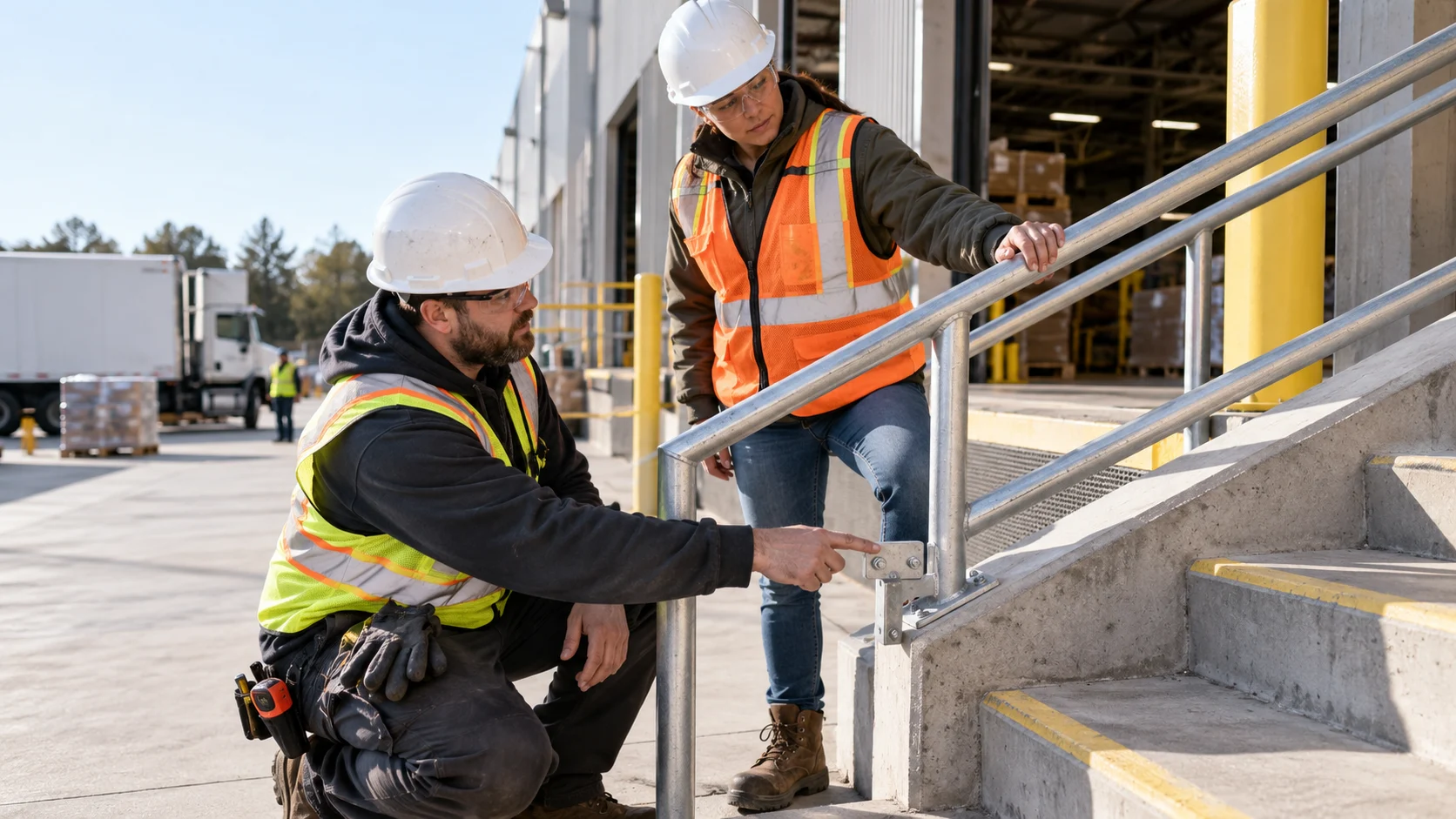
A useful inspection photograph has a location, date context and explanation of what it shows. The image supports a finding; it does not automatically establish a cause, the full extent of a problem or a verified resolution.
At a glance
A useful inspection photograph has a location, date context and explanation of what it shows. The image supports a finding; it does not automatically establish a cause, the full extent of a problem or a verified resolution.
Define the decision behind the record
Capture enough context for a reviewer while avoiding sensitive personal information. Keep the original image identifiable if annotations are added. Explain which condition matters so a later reviewer does not have to infer the finding from a close-up.
Make the image understandable to someone outside the visit
Identify the finding, location and purpose before taking or attaching evidence. Choose a view that helps explain the actual observation and avoid unnecessary people or unrelated sensitive material. A photo should support a defined record, not become a substitute for stating the finding.
Retain the relevant time, description and connection to the observation. Distinguish evidence of the initial condition from images taken after intervention. If scope or scale is uncertain, explain that limitation instead of relying on the image to support a broader conclusion than it shows.
Test the evidence with a reviewer unfamiliar with the site. Ask what they can identify and what remains unclear. Keep additional explanation where needed and manage access under the site procedure. A compelling image is not automatically sufficient evidence of the condition, action or lasting outcome.
Worked example
A team records a defect with an overview and a relevant detail. The finding describes the observed condition and location. Later evidence of work is attached separately, with the reviewer making the closure decision rather than replacing the first photographs.
Build a usable record
Use the fields below to capture the facts needed for this particular decision. Keep the actual observation separate from any later correction or approval.
- Finding and location
- Relevant original photograph
- Observation explaining the image
- Capture context and author
- Access and follow-up references
Example record and review decision
Fictional record example: OBS-06: precise location and description; IMG-06: relevant view with date and record reference; REVIEW-06: interpretation.
Ask a colleague unfamiliar with the location to identify what the image demonstrates and what it cannot establish.
An image without context may be persuasive but still fail to show scale, location, current condition or the relevant finding.
Test the review, not just the form
Ask someone unfamiliar with the event to interpret the record. If they cannot identify the place or issue, improve the description. Review whether every required photo contributes useful evidence or only increases reporting time.
A few useful answers
Can a photograph alone prove closure?
It may support a review, but the appropriate verification and decision still need to be recorded.
Does a repair photograph prove that recurrence was prevented?
It can show a condition at the time pictured. Verification of the agreed outcome needs its own context and decision; preserve the difference between photographic evidence and the conclusion drawn from it.
Sources and further reading
MarkdownExplore starter templates
Start with a useful checklist
English